01
Fashion & textiles
Planned for the opening phase
Pattern-making, draping, sewing, cutting and fit. An environment where design thinking and construction develop together.
The planned campus brings complementary disciplines into a shared culture of experimentation, supported by technical instruction and responsible access to tools.
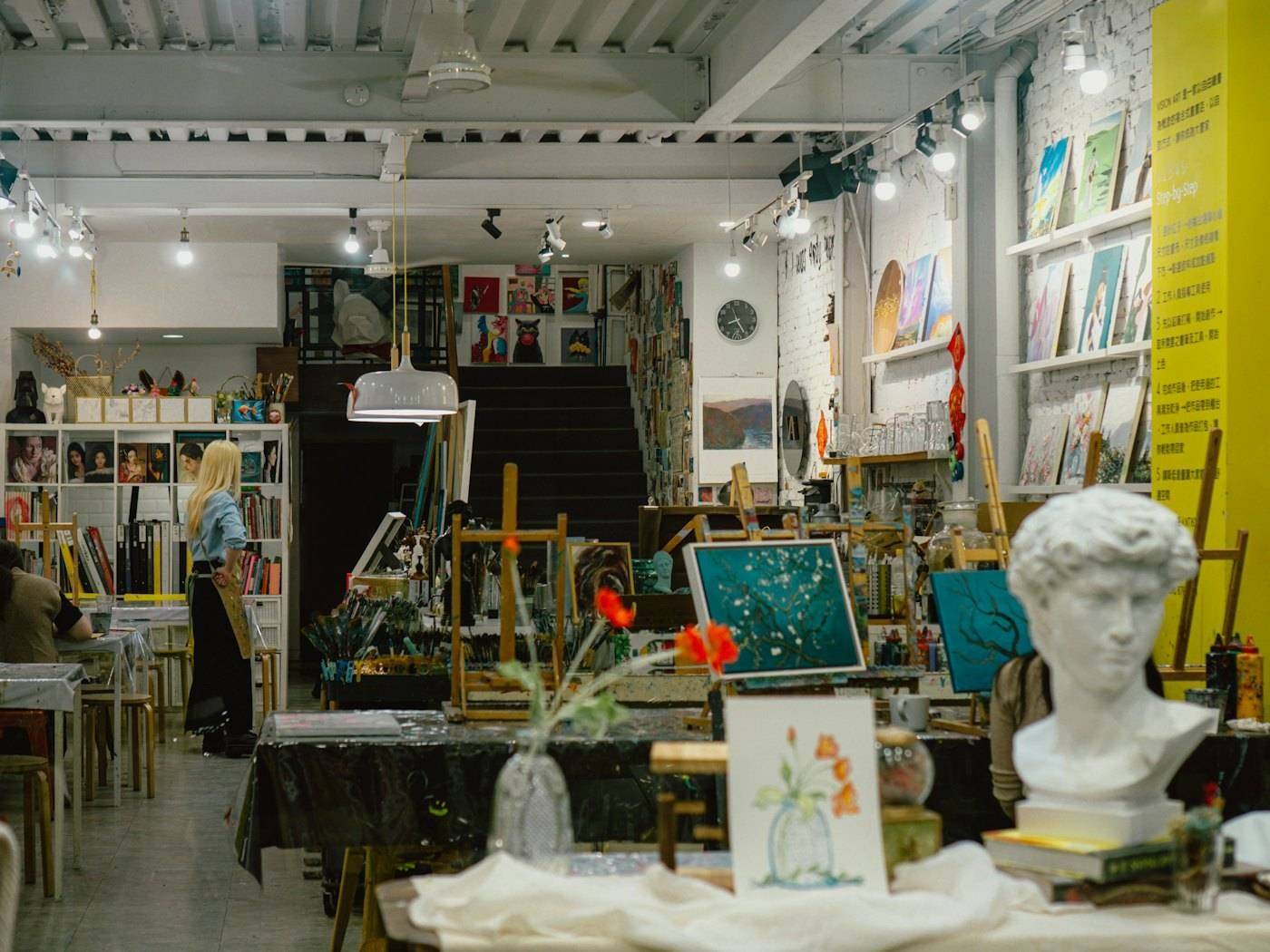
A garment can lead to a material experiment. A furniture prototype can become an interaction study. Shared facilities should make those connections possible.
Our studio plan is being developed around small practical groups, technical supervision, project storage and the needs of sustained making.
Representative photograph. Facilities are proposed and will be confirmed before enrolment.
01
Planned for the opening phase
Pattern-making, draping, sewing, cutting and fit. An environment where design thinking and construction develop together.
02
Planned for the opening phase
CAD, model-making, material experiments and controlled FDM printing. Light prototypes on campus; specialist production with external workshops.
03
Planned as capacity expands
Measured drawing, material libraries, scale models, furniture detailing and prototype assembly.
04
Later-phase facility
Low-voltage electronics, sensors, interfaces and functional prototypes, supported by trained technical staff.
05
Shared across disciplines
Materials to handle, processes to study and documented experiments to revisit. Secure storage and tool issue are part of the studio plan.
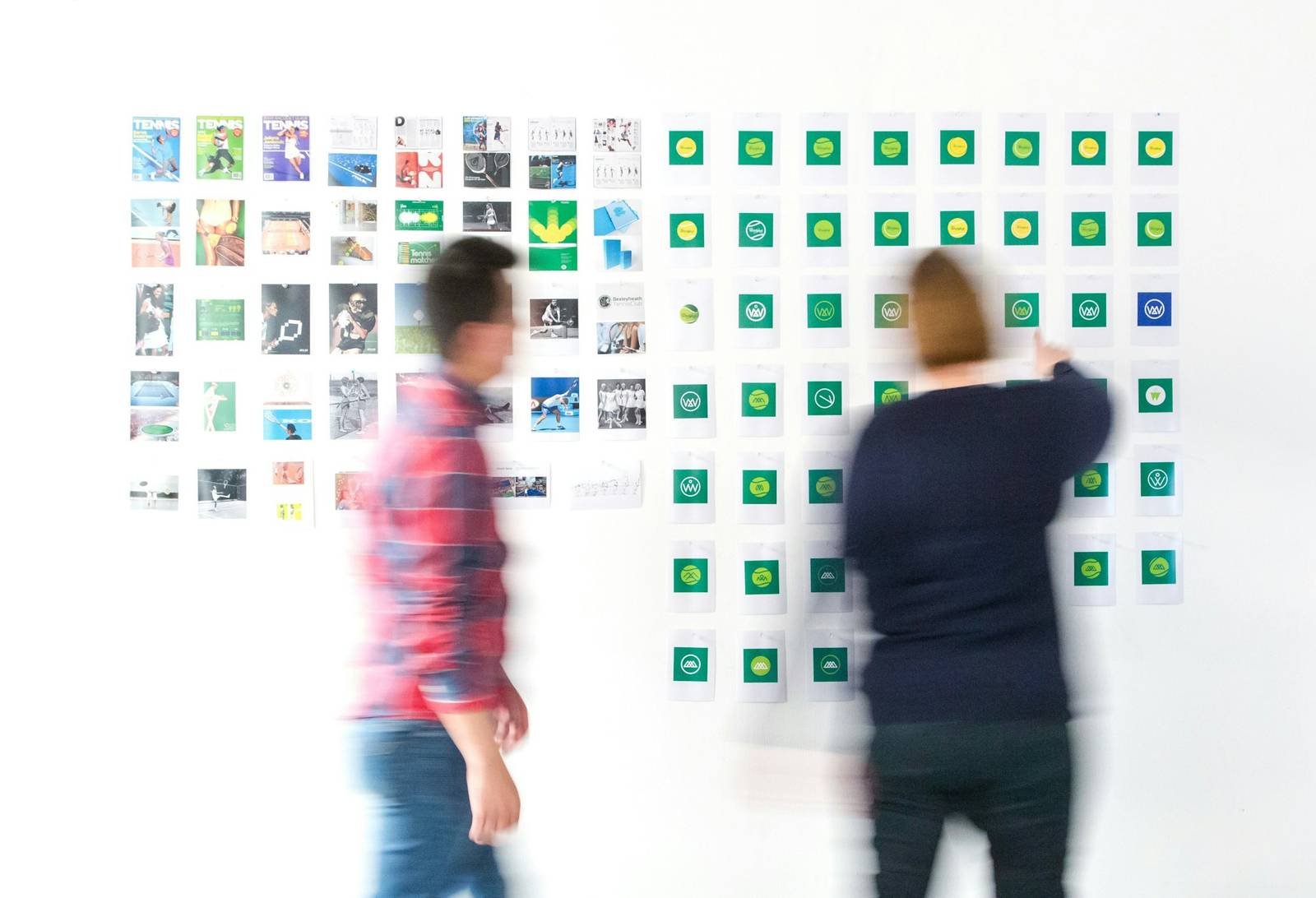
What can a prototype teach us that a drawing cannot?
Our R&D ambition is to connect classroom enquiry with materials, manufacturing, Indian craft practices and everyday human needs. Research should leave a trail of evidence: observations, trials, tests and revisions.
Illustrative directions for future projects—not completed research or existing partnerships.
Investigate textile waste and material reuse through sampling, construction trials and practical performance tests.
Explore adaptable furniture for compact spaces, with attention to comfort, repair and local fabrication.
Develop physical and digital interactions with diverse users, then test whether they are useful and understandable.